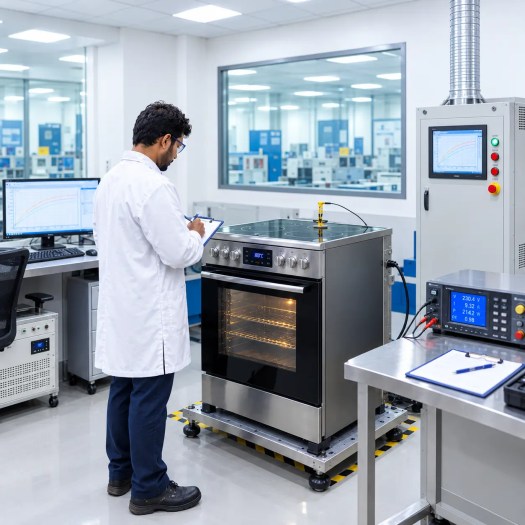
Room Heaters Testing & Certification

What is a Room Heater?

A room heater is an electrical appliance designed to provide localized heating in indoor spaces. Depending on its design, it may use resistance heating elements, a fan, a radiant heating surface, a thermostat, switches, and protective control devices to generate and regulate heat. Room heaters are available in different types, including fan heaters, radiant heaters, and convector heaters, and must be suitable for their rated electrical characteristics and intended use.


Why Must Room Heaters Be Evaluated Before Entering the Market?

Room Heater Testing 2

Room heaters must be evaluated before entering the market to verify electrical safety, thermal performance, construction, and compliance with applicable standards. Proper testing helps identify hazards such as electric shock, overheating, fire, and instability, and checks that the appliance operates safely under normal and relevant abnormal conditions.

• Consumer Safety: Assessing protection against electric shock, contact with hazardous live parts, and other foreseeable hazards.

• Electrical Reliability: Checking the heating element, wiring, switches, thermostat, plug, and protective components for safe operation.

• Fire & Thermal Safety: Evaluating temperature rise, overheating protection, and relevant heat and fire risks.

• Mechanical Safety: Checking enclosure strength, stability, guards, and access to hot or moving parts, as applicable.

• Functional Performance: Verifying that the heater and its controls operate as intended under specified conditions.

• Regulatory Compliance: Supporting conformity with applicable safety and conformity requirements for the UAE, GCC, and other target markets.

Ensuring Quality and Compliance for Room Heaters in the UAE

Room heaters are used in residential, commercial, and other indoor settings. Across Dubai, Abu Dhabi, and the wider UAE, suitable evaluation helps verify that products are designed for safe use according to their ratings, construction, and intended operating conditions.

Before manufacturers, suppliers, or importers introduce room heaters to the market, they should demonstrate compliance with applicable safety and technical requirements. Testing helps assess electrical insulation, temperature rise, abnormal operation, mechanical construction, and relevant fire and thermal risks.

This is where a testing and certification partner such as METS Laboratory LLC can support product evaluation, technical compliance, and market-entry activities.

Room Heater Testing

Understanding the Core Standard: IEC 60335-2-30 Testing

IEC 60335-2-30 specifies particular safety requirements for room heaters. It is used together with IEC 60335-1, which covers general safety requirements for household and similar electrical appliances. The applicable evaluation depends on the heater type, construction, rated characteristics, and intended use.

The relevant tests are selected according to the product design and the requirements applicable to the particular room heater. The following are examples of safety evaluations that may be relevant; the final test plan should be confirmed against the complete applicable standard.

Major safety tests and evaluations may include:

1. Electrical Safety

• Protection Against Electric Shock: Checking protection against access to hazardous live parts.

• Insulation Resistance and Electric Strength: Assessing insulation and resistance to electrical breakdown, where required.

• Leakage Current: Measuring leakage current under the specified test conditions.

• Power Input and Current: Checking electrical input against applicable requirements.

2. Heating and Thermal Safety

• Temperature Rise: Measuring temperatures of accessible surfaces and relevant internal components during operation.

• Abnormal Operation: Evaluating safety under applicable abnormal conditions, including relevant control or airflow faults where appropriate to the heater type.

• Overheating Protection: Checking the operation of applicable thermal cut-outs and protective devices.

3. Fire and Mechanical Safety

• Resistance to Heat and Fire: Assessing relevant insulating materials and components against applicable requirements.

• Mechanical Strength and Stability: Checking enclosure strength and stability to help prevent foreseeable hazards such as tipping.

• Construction and Guards: Evaluating construction and protection from hazardous components, hot surfaces, and moving parts where applicable.

4. Controls and Functional Safety

• Thermostat and Switching: Checking temperature controls, switches, and relevant protective controls for safe operation.

• Protective Components: Evaluating applicable protective devices and their operation under specified conditions.

5. Endurance and Reliability

• Operating Performance: Checking the heater’s operation during specified tests and conditions.

  • • Component Reliability: Assessing relevant components and connections for continued safe operation, as required by the standard.

6. Marking and Instructions

• Product Marking: Checking ratings, warnings, manufacturer identification, and other required markings.

• Instructions: Reviewing installation, placement, operation, and safety instructions supplied with the heater.

Why Choose METS Laboratory LLC?

Room heater safety evaluation requires appropriate test methods, technical expertise, and knowledge of applicable international standards. METS Laboratory LLC supports manufacturers, suppliers, and importers in assessing product safety and conformity.

• Room Heater Testing Support: We can support evaluation of applicable electrical safety, temperature rise, abnormal operation, construction, and protective controls.

• Testing Against IEC 60335-2-30: Our evaluation approach considers the particular requirements for room heaters together with the applicable general requirements of IEC 60335-1.

• Testing and Compliance Support: We assist with product evaluation, testing coordination, technical documentation, and applicable conformity requirements to support market access across the UAE, GCC, Middle East, and international markets.

• Reliable Evaluation: Appropriate testing helps identify potential nonconformities and supports manufacturers in assessing product safety before market introduction.

Comprehensive testing solutions that enhance
safety, quality, and market acceptance.